
Reliable Welding Supplies Delivered Fast & Affordably.
Empowering
Crafts Safely
Efficiently & Reliably

 about us
Kwandisiwe Legacy Project (Pty) Ltd, is a proudly South African enterprise specializing in the supply of welding consumables and gas equipment to the engineering and mining sectors. With overwith over 15 years extensive industry experience.

expertise area
- Welding Equipment & Tooling
- Gas welding Supply Solutions
- Technical Support & Product Guidance
- Safety Supply Solutions

Our Mission
- Deliver High-Quality Welding Solutions
- Ensure Safe & Responsible Operations
- Innovate for Better Productivity
- Build Long-Lasting Customer Partnerships
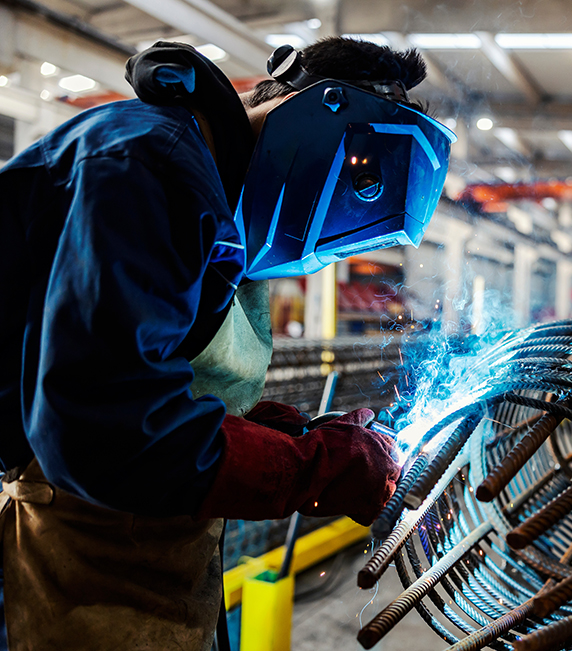
 Arc Welding
Tig Welding
Mig Welding
Gas Welding
Plasma Welding
Safety Wear
Arc Welding
Tig Welding
Mig Welding
Gas Welding
Plasma Welding
Safety Wear
Our
solution
Professional Services Tailored for You Reliable Solutions
Driven by clear communication and cutting-edge logistical planning, we ensure every welding equipment shipment and supply order is delivered accurately and on time.
Tig Welding
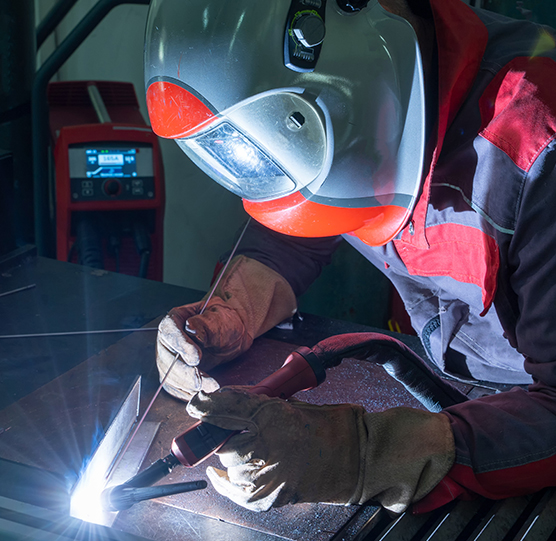
Tig Welding
Non-consumable tungsten electrode to create precise, clean welds. Ideal for thin metals and high-quality finishes.
Mig Welding
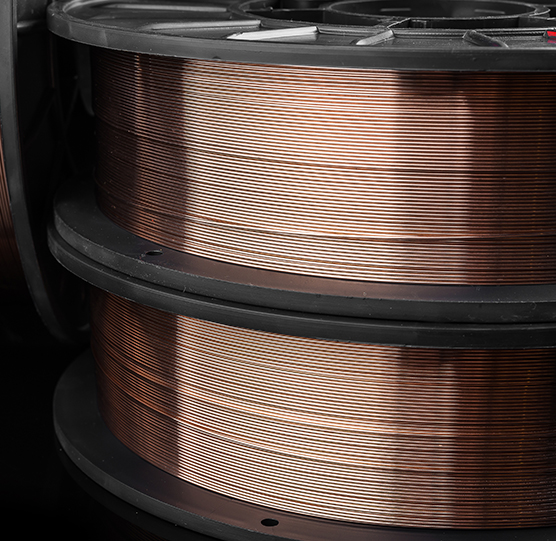
Mig Welding
Continuously fed wire electrode and shielding gas. Fast, easy to learn, and great for production work.
Safety
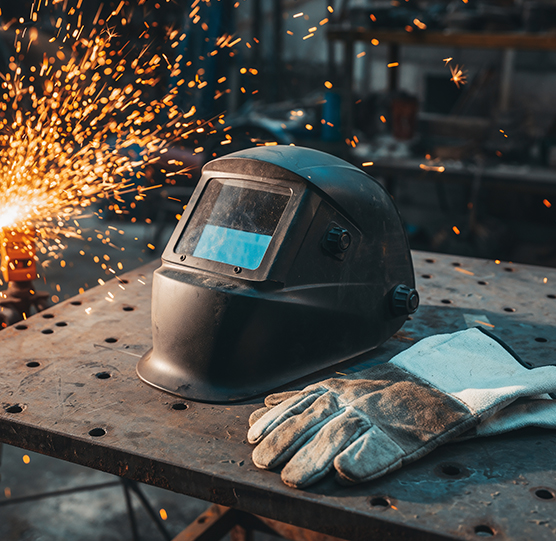
Safety
Protective wear from hazards such as sparks, intense heat, fumes, and UV radiation by using proper PPE, safe work practices, and well-maintained equipment.
Arc Welding
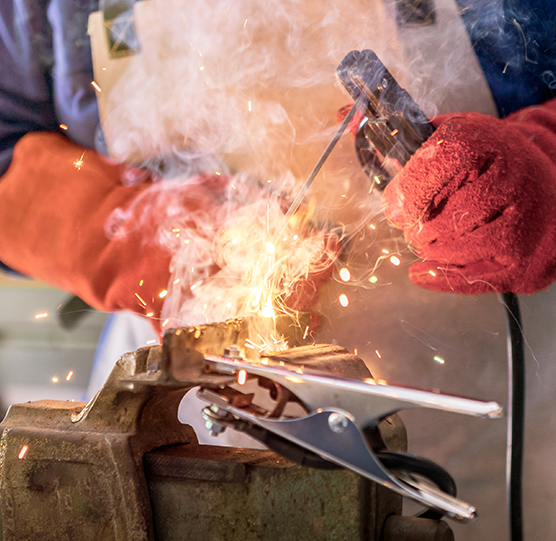
Arc Welding
Flux-coated stick electrode that creates its own shielding. Durable, versatile, and effective outdoors or in dirty conditions.
Gas Welding
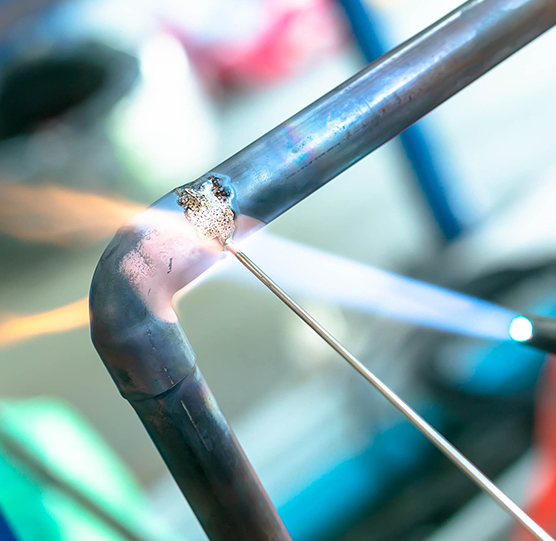
Gas Welding
Gas Welding
Flame produced by burning oxygen and acetylene to heat and join metals. Useful for welding, cutting, and brazing.
Core features
Our experienced team are trained to deliver top-quality solutions.


Where Welding Performance Meets Advanced Craftsmanship and Unwavering Reliability
+000
Years of Experience
00
products Supplied
00
Countries Coverage
00
Customer Rating
faq
Freequently ask questions
Driven by clear communication and cutting-edge logistics, we ensure your welding products are delivered on time. Our company is built on strong industry experience and a commitment to simplicity and reliability.
It depends on your material and skill level. MIG is great for beginners and general fabrication, TIG offers precise, high-quality welds for stainless steel and thin metals, and ARC (Stick) is best for outdoor or heavy-duty work. Matching the machine to your application gives you the best results..
Choose electrodes or wire based on the metal type, thickness, and welding process. For example, mild steel commonly uses ER70S-6 wire for MIG or E6013/E7018 rods for ARC welding. Thicker metals require heavier electrodes or wire diameters for proper penetration.
Yes. Different processes require different gases. MIG commonly uses CO₂, Argon, or a mix like 75/25 Argon-CO₂. TIG typically uses 100% Argon. Using the correct shielding gas improves weld quality, penetration, and spatter control.
At minimum, you need a welding helmet, gloves, leather jacket/apron, and closed shoes. For extra protection, consider respirators, ear protection, and fire-resistant clothing. Quality PPE helps prevent burns, eye damage, and inhalation of fumes.
Most light-duty welders can run on standard 220–240V single-phase power, while industrial machines may require three-phase supply. Always check the machine’s input amperage and ensure your plugs, breakers, and wiring can handle the load safely.
Brands we supply


